

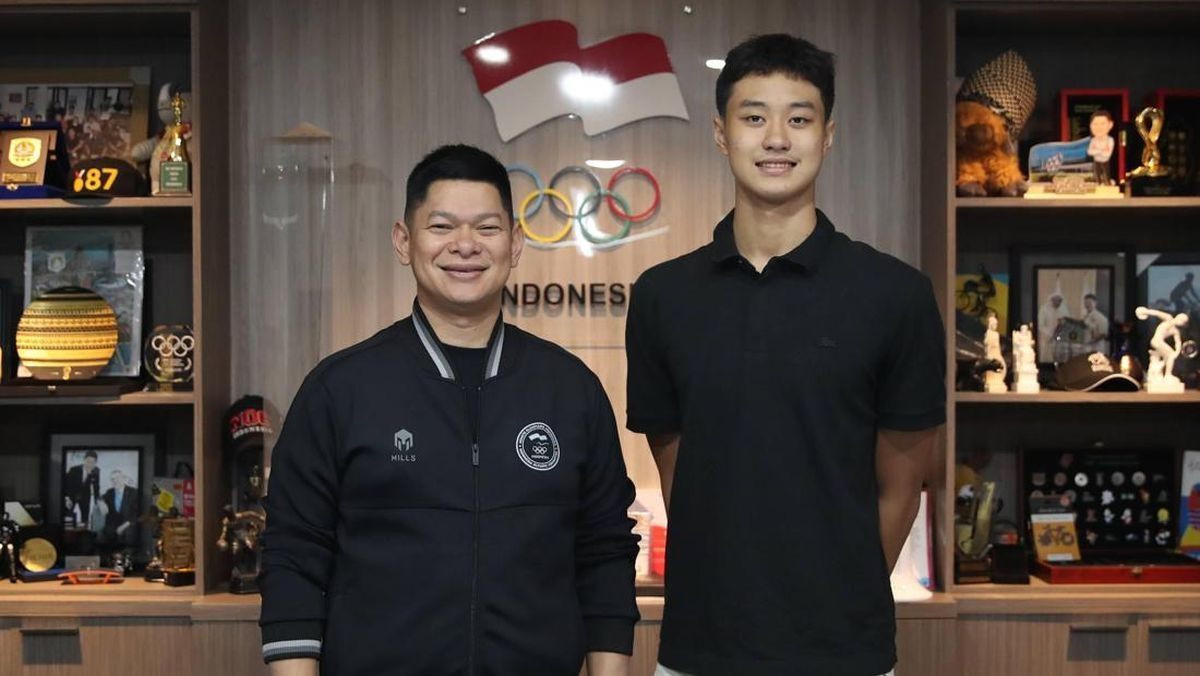
Indonesian Swimmer Liquor Secures U.S. Scholarship in Olympic Bid

📷 Image source: akcdn.detik.net.id
A Leap Across the Pacific
Liquor's Journey to the U.S.
Indonesian swimmer Liquor has landed a prestigious scholarship to train in the United States, a move aimed at bolstering his chances for the Olympics. The 20-year-old athlete, known for his freestyle prowess, will join a top-tier American university’s swimming program, according to cnnindonesia.com.
This opportunity marks a significant step for Liquor, who has dominated national competitions in Indonesia. The scholarship covers full tuition and access to advanced training facilities, rare for athletes from Southeast Asia. His departure is scheduled for early 2026, with eyes set on the 2028 Los Angeles Olympics.
The Road to Recognition
How Liquor Caught International Attention
Liquor’s rise began at the 2023 SEA Games, where he clinched gold in the 200-meter freestyle, breaking a regional record. His performance drew scouts from U.S. colleges, who noted his untapped potential. Unlike many peers, Liquor combines technical precision with explosive speed, a trait rare in swimmers from non-traditional powerhouses.
His coach, Arif Wijaya, emphasized that Liquor’s work ethic set him apart. 'He trains six hours daily, even during holidays,' Wijaya told cnnindonesia.com. This discipline, paired with a growth mindset, made him a standout candidate for overseas programs.
The Scholarship Breakdown
What the Deal Entails
The scholarship, offered by the University of California, Berkeley, includes tuition, housing, and a monthly stipend for training expenses. Berkeley’s swim team, a consistent NCAA contender, boasts Olympic medalists among its alumni. Liquor will train under head coach Dave Durden, renowned for developing sprint specialists.
Beyond athletics, the deal requires Liquor to maintain a minimum GPA in sports science courses. This dual focus on academics and athletics reflects the U.S. college system’s emphasis on student-athlete development, a contrast to Indonesia’s purely competitive framework.
Indonesia’s Swimming Landscape
Challenges and Opportunities
Indonesia has struggled to produce world-class swimmers due to limited infrastructure and funding. The country’s last Olympic swimming finalist was Richard Sam Bera in 1996. Most pools lack modern timing systems, and coaches often rely on outdated techniques.
Liquor’s scholarship signals a potential shift. 'This could inspire younger athletes,' said Indonesian Swimming Federation chairperson Lucky Wijaya. However, critics argue that systemic issues—like scarce 50-meter pools and minimal corporate sponsorship—must be addressed to replicate his success.
The American Advantage
Why U.S. Training Matters
U.S. college programs offer cutting-edge resources, from altitude chambers to biomechanics labs. For Liquor, access to sports psychologists and nutritionists could be game-changing. American training also emphasizes race strategy, a weakness in Indonesian swimmers who often focus solely on stamina.
Historically, swimmers from non-traditional nations thrive in the U.S. system. Singapore’s Joseph Schooling, who trained at the University of Texas, famously upset Michael Phelps at the 2016 Olympics. Liquor’s path mirrors this blueprint.
Financial Hurdles Overcome
The Cost of Elite Swimming
Without the scholarship, Liquor’s family could never afford U.S. training. Annual costs for elite swim programs exceed $50,000, nearly 10 times the average Indonesian household income. Crowdfunding and a local business sponsor covered his initial travel expenses.
The financial gap highlights a broader issue: Indonesia’s lack of athletic scholarships. Unlike the U.S., where colleges recruit globally, Indonesian universities rarely offer sports-based aid. Liquor’s case may pressure policymakers to rethink funding models.
Cultural Adjustments Ahead
Life Beyond the Pool
Liquor will face cultural challenges, from language barriers to unfamiliar food. Indonesian swimmers often rely on rice-heavy diets, while U.S. programs prioritize protein intake. Time zone differences also complicate communication with his support network back home.
To ease the transition, Berkeley assigned him a peer mentor—a Filipino-American swimmer familiar with Southeast Asian culture. Liquor has begun English lessons but admits, 'I’m nervous about giving interviews in English.'
The 2028 Olympic Calculus
Realistic Medal Chances
Liquor’s current 200m freestyle time (1:47.56) ranks 120th globally, far from the 1:44.06 podium standard. However, U.S. training could shave seconds off his time. Durden’s athletes typically improve by 2-3% annually through technique refinements.
Analysts caution that medal hopes are slim but not impossible. 'If he cracks the top 30 by 2027, he could surprise,' said swimming statistician Mark Lopez. The Olympics’ tapered entry system also helps: each continent gets guaranteed slots, easing qualification for underrepresented regions.
A Ripple Effect at Home
Inspiring the Next Generation
Liquor’s journey has already sparked interest in swimming clinics across Jakarta. Registrations at his former club doubled after the scholarship news. Parents see him as proof that global success is attainable without wealthy backing.
Yet, infrastructure remains a hurdle. Most new enrollees train in 25-meter pools, inadequate for international standards. The federation plans to lobby for two Olympic-sized pools in Java, though funding is unsecured.
Reader Discussion
Share Your Perspective
How can Indonesia better support its aspiring Olympic athletes? Should the government prioritize swimming infrastructure, or are scholarships like Liquor’s the best path forward?
We’d love to hear from coaches, athletes, and fans. What’s missing in Indonesia’s sports development system? Share your experiences below.
#Olahraga #Renang #Olimpiade #Beasiswa #Indonesia #UCBerkeley


